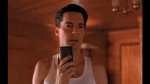

just a few:
- the purple background of the jitterbug dance - (martha and purple book).
- Wally's box-patterned sweater looks like the file cabinets in Ed's office and also resemble the glass-fronted display cabinet behind him.
- the glass-fronted cabinet resembles the scene with the man sitting in a room on a chair (Michael J. Anderson) behind the glass wall talking to a man we can see his reflection, we can his face! it's Wally's face! reflecting on it with a picture of a man behind him.
- the director, who give directions, is like the cab driver (notice the ressembles) who drives Betty to her destination, to her direction.
- betty's trembling and being emotionally overflown after her performance is like her trembling and being overflown with her emotions when she is in club Silencio.
every angle in this scene displays multiple themes and cultural references that this film is comprised and influenced by.
all the characters in the film are portrayed in this scene.
watching this film is all about getting inside a blue box that is inside a blue box (club silencio) that is inside a blue box (los angeles) and so on, this film is like a Matryoshka (or Babushka) of blue boxes inside another.
we, the audience, are looking towards a blue box inside and sometimes we're inside the box itself looking outside of it. this perception is portrayed well in the conversation with the man behind the glass wall scene. some might say it's the same - we're always inside a blue box viewing another box that is actually the outside of our own box.
it's the reality-dream paradox. this is Lynch's most repeated motive in his work - if our dreams reflect our most desired truths, than what is real, our reality or our dreams?
our dreams are keys inside ourselves for opening and understanding the meaning of our reality, of the outside world.
in our dreams we portray the outside world with the lingering effect of our desires and emotions.
it is widely considered, by the science community, and the general public, that suppressed emotions linger to our dreams.
two ways of looking at it:
* Betty's audition scene is the seed of the film, the most internal box of this movie.
* Betty's audition scene is the most external box, the outer box of this box-office film.
i tend to go with the "internal box" interpretation.
this scene could be the most internal box of this movie, it includes most (probably all) of the cultural stories that influenced this film.
Betty's audition scene is the seed of the film.
all the characters, color scheme, movement and plot of the film are represented in this scene.
this scene is the seed of the film and all other scenes are sub-realities (or dreams or boxes) that surround it. like a box inside a box inside a box indefinitely.
Betty's audition scene is the only plot of this movie, it's the smallest box that is inside all other boxes, the smallest Babushka. all other scenes in this movie are a representation of this scene coated with a layer of dream-like story.
in a way, Betty's audition scene (which is right about at the middle of the film) is a representation of this movie inside a movie inside a movie. a representation of this movie inside itself indefinitely.
it's an Hommage to Stanley Kubrick's masterpiece 2001: A Space Odyssey
wally's face reflecting in the glass-fronted cabinet is Kubrick's reflection on Dave's helmet in 2001: A Space Odyssey
Wally's box-patterned sweater (and Ed's cabinets in his office) are like the green and orange squares surrounding the excavation site in the monolith on the moon scene.
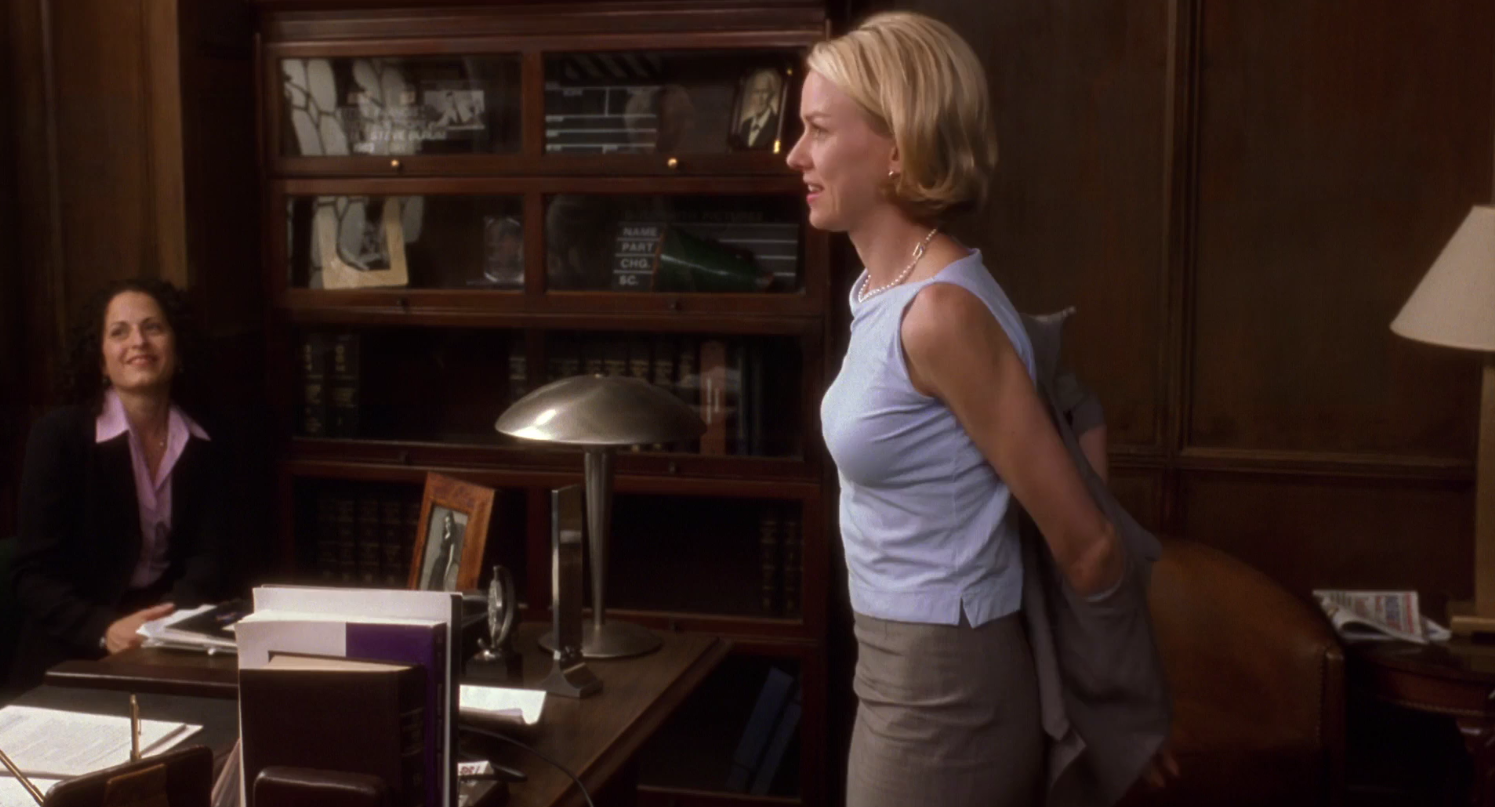
- notice the monolith and wally's reflection looking at Betty

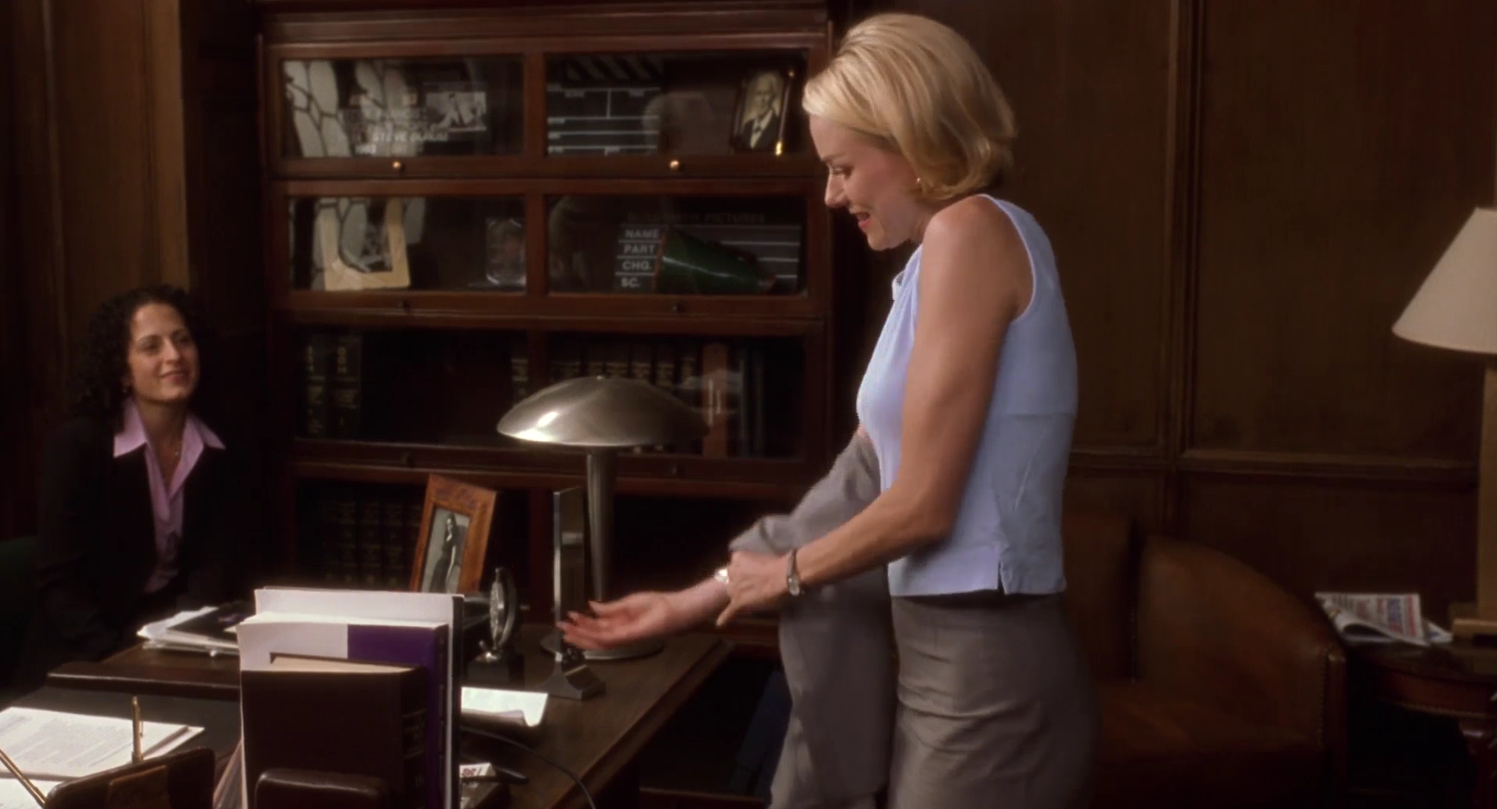
- Betty is "touching" the monolith

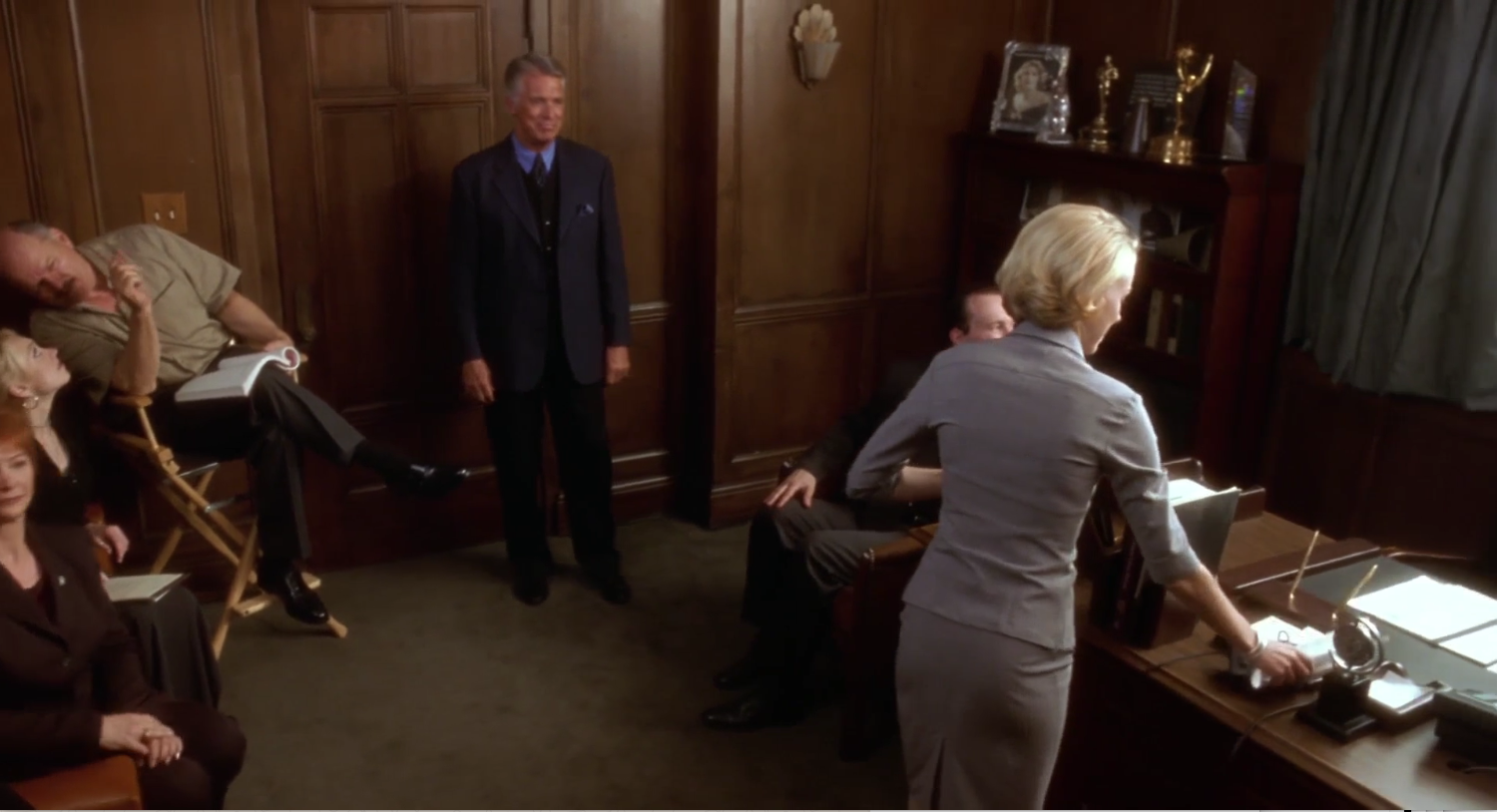
- notice the director tilting his head, where's the monolith?

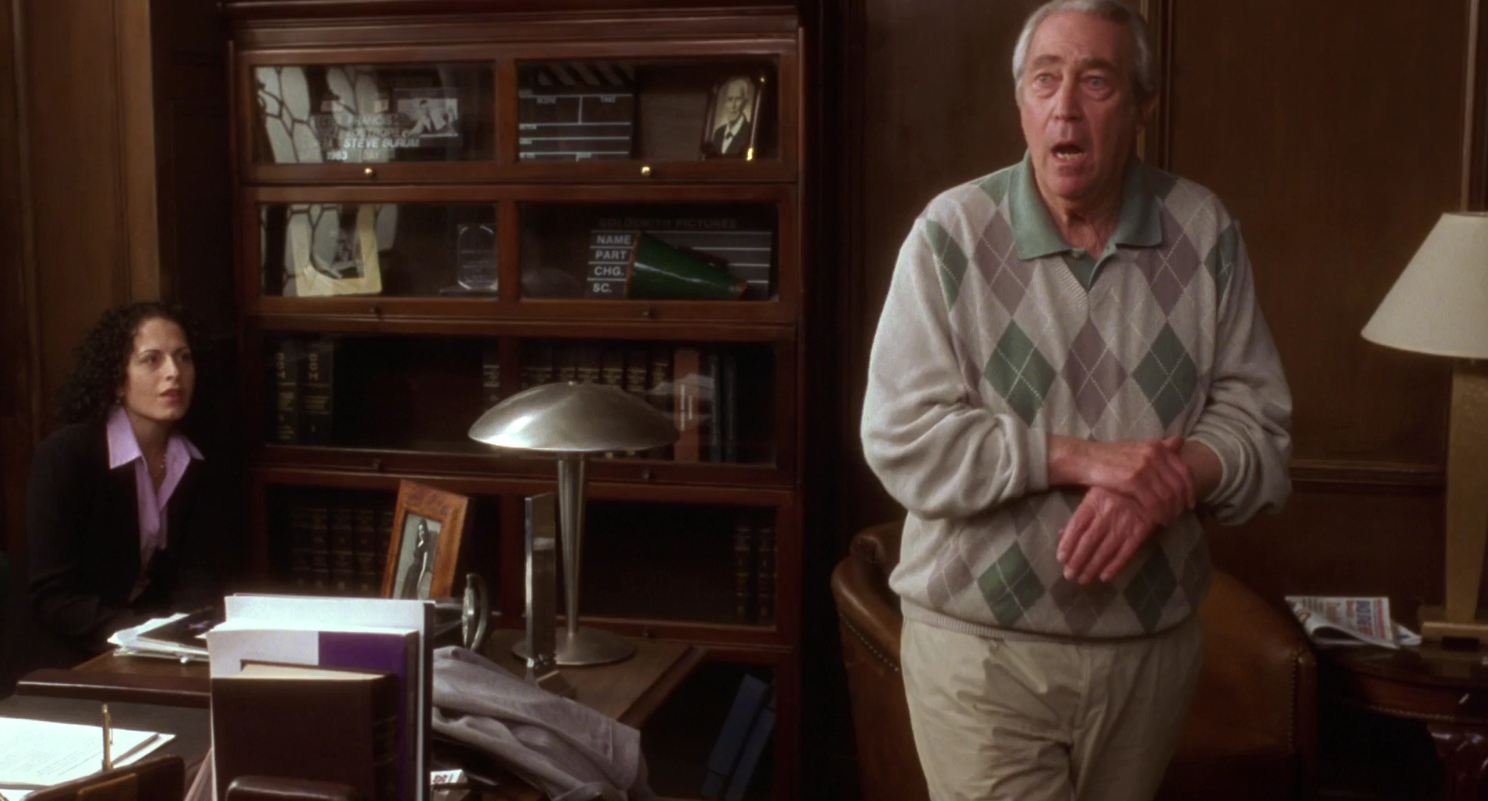
- wow great scene. the lamp next to the monolith looks a bit like the rising sun..


